Most kitchen “rules” are handed down, not tested — and many of the most repeated ones are simply wrong. Searing doesn’t seal in juices, salt won’t make your water boil faster, and rinsing your pasta washes away the very thing that helps sauce cling. Below are 20 common cooking myths debunked, each with the reality and what to do instead, so you can drop the habits that don’t work and keep the ones that do.
None of this is about cooking like a professional overnight. It’s the kind of knowledge a good chef simply carries — the small, correct calls that quietly decide how a dish turns out. Here are the myths worth letting go of tonight.
Does searing meat seal in the juices?
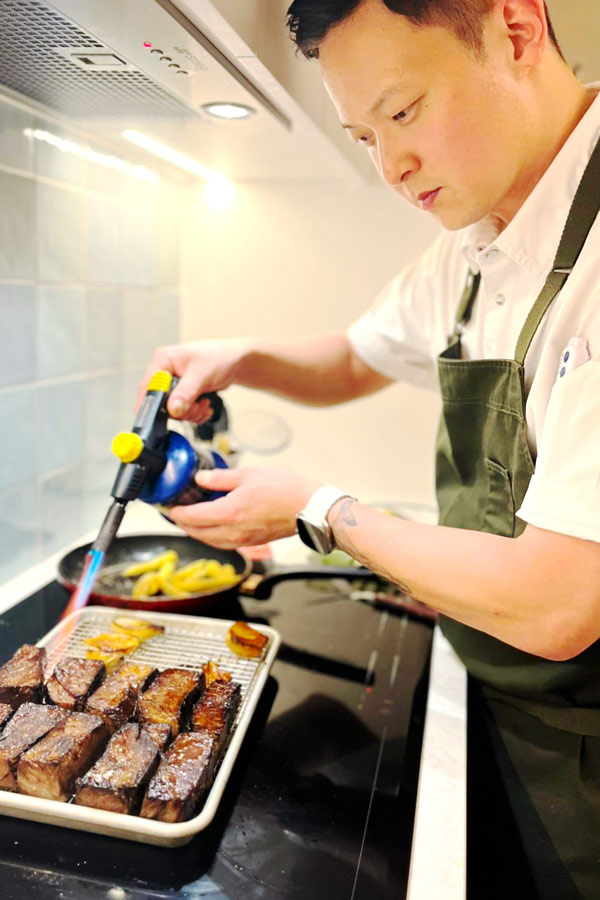
No — searing does not seal in juices. Weigh a steak before and after cooking and a seared piece loses roughly the same moisture as an unseared one; there is no waterproof crust. What searing actually does is trigger the Maillard reaction, building a browned, savory crust that adds flavor and texture. So sear for taste, not for moisture. To keep meat juicy, the real levers are not overcooking it and resting it before you slice.
How long should you rest steak before cutting?
Rest steak for about five minutes before slicing, and larger roasts for ten to twenty. Resting lets the juices, driven to the centre by the heat, redistribute through the meat so they stay on the plate instead of running out the moment you cut. Slice a steak straight off the heat and you lose that moisture; give it a few minutes and the same steak eats far juicier. Resting — not searing — is the single biggest thing you can do for a juicy result.
Does salt make water boil faster?
No — salt does not make water boil faster. If anything, dissolving salt slightly raises water’s boiling point, so heavily salted water takes marginally longer, not less. The amounts used in home cooking change the timing by seconds at most. The real reason to salt your pasta or vegetable water is flavor: it seasons the food from the inside as it cooks, which nothing added later can replicate. Salt the water generously — for taste, not speed.
Should you rinse pasta after cooking?
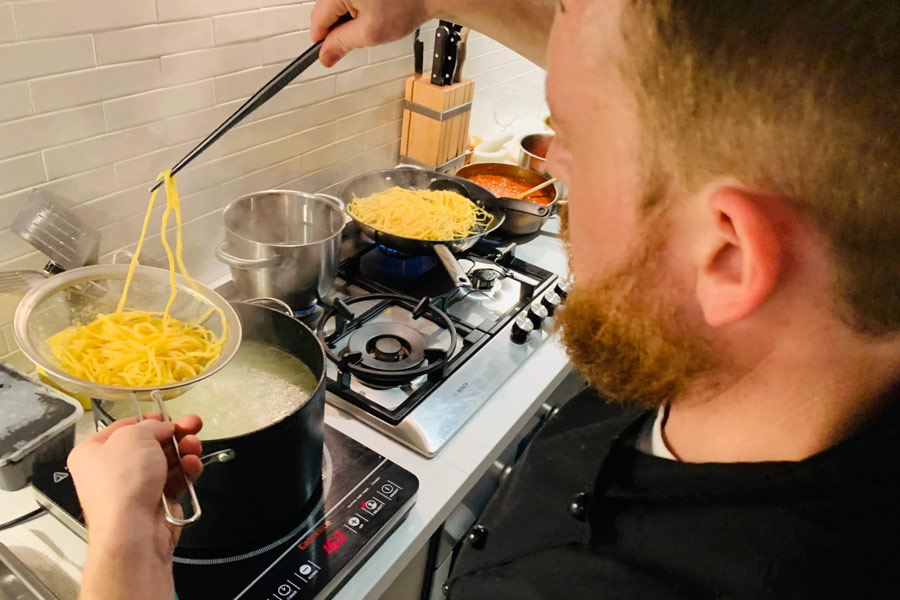
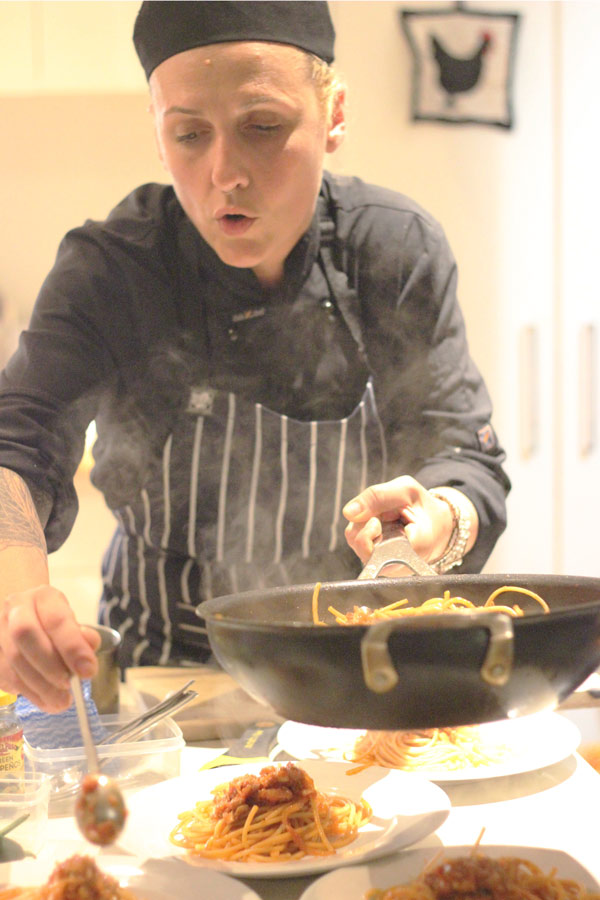
No — don’t rinse pasta after draining it for a hot dish. That cloudy starch coating the noodles is exactly what helps sauce grip and cling; rinse it off and the sauce slides. Drain the pasta, reserve a little of the cooking water, and toss it straight into the sauce, loosening with a splash of that starchy water if needed. The one exception is pasta destined for a cold salad, where a quick rinse stops it clumping and overcooking.
Does marinating meat make it more tender?
Mostly no — marinades add flavor far more than tenderness. Most marinades barely penetrate beyond the surface of the meat, and acidic ones (lemon, vinegar, wine) left on too long can actually turn the outside mushy rather than tender. Marinate for flavor, and keep it to a couple of hours for most cuts. For genuine tenderness, the cut of meat and cooking it to the right temperature matter far more than any soak.
Does oil in the pasta water stop it sticking?
No — oil in the pasta water does little except float on top and coat the drained pasta, which then stops your sauce from sticking. Pasta sticks when there isn’t enough water or when it isn’t stirred early on. Use a generous pot of water, stir in the first minute or two while the surface starch is releasing, and you won’t need oil at all. Save the good olive oil for the plate.
Does alcohol fully cook off in food?
No — alcohol does not entirely cook away. Depending on the method and time, a finished dish can retain anywhere from a small fraction to a good portion of the alcohol added; a quick flambé burns off far less than a long simmer. Most of it does evaporate over a long cook, but “all of it” is a myth. It rarely matters for flavor, but it is worth knowing if you are cooking for anyone avoiding alcohol entirely.
Are the red juices in meat actually blood?
No — the red liquid in a package of steak or running from a rested roast is not blood. It is mostly water mixed with a protein called myoglobin, which carries oxygen in muscle and turns red when exposed to air. Blood is removed during processing. So “bloody” has nothing to do with how a rare steak looks — the color is simply myoglobin, and it is completely normal.
Do you need to wash mushrooms without water?
No — you can rinse mushrooms under water. The old rule says mushrooms are sponges that soak up water and turn slimy, but they absorb only a tiny amount in the brief time it takes to rinse off grit. A quick rinse and pat dry is perfectly fine, and far easier than brushing each one. Just don’t leave them soaking, and get them into a hot pan so any surface water evaporates quickly.
Should you cook steak straight from the fridge?
It’s better to let steak sit out briefly first, but the effect is smaller than often claimed. A steak taken straight from a cold fridge cooks less evenly, since the centre lags behind the edges; letting it sit for twenty to thirty minutes takes the deep chill off. It will not reach “room temperature” in that time, and that’s fine. What matters far more is drying the surface well and using a hot pan for a good sear.
Does searing lock in flavor so you shouldn’t season early?
No — season your meat well before cooking, not after. Salting ahead of time seasons the meat beyond just the surface and helps develop a better crust; a dry, well-salted surface browns far better than a wet one. The idea that early salt “draws out the juices” and ruins the meat doesn’t hold for normal cooking. Season generously before it hits the heat, and adjust at the end.
Is a non-stick pan ruined if you use metal on it?
Not automatically, but treat non-stick gently anyway. Metal utensils can scratch the coating, and once it’s damaged the non-stick quality fades — so wooden or silicone tools are the safer habit. The bigger enemy of non-stick pans is high heat, which degrades the coating faster than the occasional scrape. Keep the heat moderate, use soft tools, and a good non-stick pan lasts far longer.
Do you have to sear meat before slow cooking?
No — you don’t have to, but it’s worth it for flavor. Searing before a slow braise isn’t required for the meat to cook, and skipping it saves time. But the browning adds deep, savory flavor to the finished dish that you can’t get any other way, so most cooks find the extra step pays off. Think of the sear as flavor insurance, not a cooking necessity.
Should you flip a steak only once?
No — flipping a steak often can actually cook it more evenly. The single-flip rule is tradition, not science; flipping every minute or so promotes even cooking and can reduce overcooked bands near the surface. A single flip still produces a fine steak and a slightly longer sear crust, so both work. Flip as often as you like — just get a good crust and don’t overcook the centre.
Is fresh always better than frozen?
No — fresh is not automatically better than frozen. Many frozen vegetables and fruits are picked and frozen at their peak within hours, locking in nutrients and flavor, while “fresh” produce may have spent days in transit and storage losing both. In season and local, fresh generally wins; out of season, or for produce shipped a long way, frozen is often the better and cheaper choice. Judge by peak, not by the label.
Does adding oil to a boil stop pasta boiling over?
Not really — oil doesn’t reliably stop a pot boiling over. A pot boils over when starchy foam rises faster than it can settle; a splash of oil has little effect on that. Lowering the heat once it reaches a rolling boil, using a big enough pot, or laying a wooden spoon across the top are all more effective. Save the oil and just keep an eye on the heat.
Should you rinse chicken before cooking it?
No — don’t rinse raw chicken. Rinsing doesn’t remove bacteria; it splashes them around your sink and surfaces, spreading contamination rather than reducing it. The USDA and CDC both advise against washing raw poultry for exactly this reason. Proper cooking to the right internal temperature is what makes chicken safe. Pat it dry with paper towel if you want a better sear, then bin the towel and wash your hands — but skip the rinse entirely.
Is searing the only way to tell a steak is done?
No — color and firmness are unreliable; a thermometer is the only sure way. Cutting into a steak to check doneness lets juices escape, and the “press test” takes real practice to read. An instant-read thermometer removes the guesswork: pull the steak a few degrees before your target and let carry-over cooking finish it during the rest. Precise temperature, not appearance, is how chefs hit doneness every time.
Does hot water freeze faster than cold?
Sometimes, but not reliably — and not in the way that helps you. Known as the Mpemba effect, hot water occasionally freezes faster under specific conditions, but it’s inconsistent and poorly understood. For everyday purposes, cold water freezes faster, as you’d expect. It’s a fun piece of kitchen trivia rather than a technique to rely on when you want ice in a hurry.
Do you need expensive ingredients to cook impressive food?
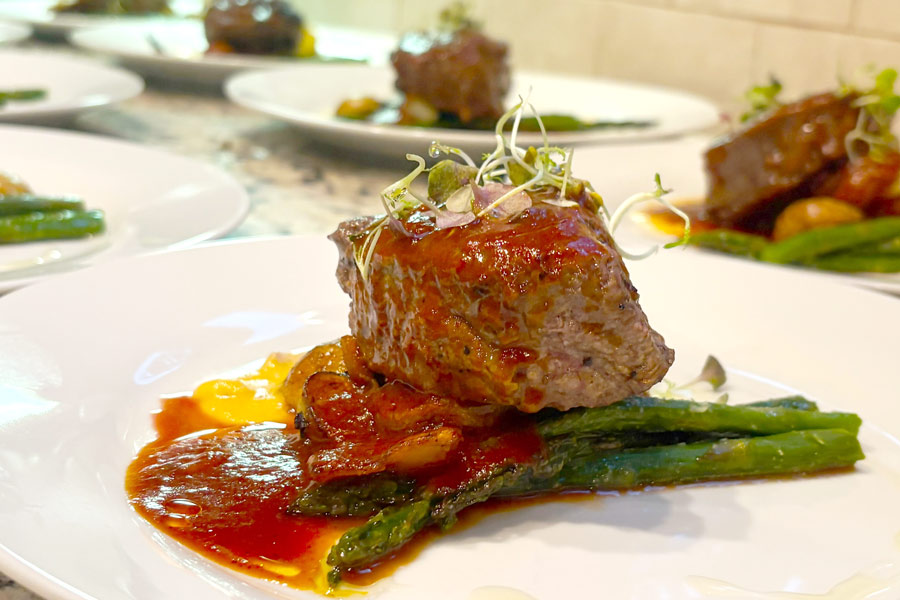
No — technique and seasoning matter far more than the price of your ingredients. A perfectly cooked, well-seasoned dish built on humble, in-season produce beats an expensive ingredient handled carelessly every time. Salt, heat control, resting meat and cooking to the season are what separate a memorable plate from a flat one — none of which cost more. Spend on the few things that matter, and let good technique do the rest.
Frequently asked questions
What are the most common cooking myths that aren’t true?
The most common cooking myths include the ideas that searing seals in juices, salt makes water boil faster, marinades tenderize meat, you should rinse pasta after cooking, and fresh is always better than frozen. All are widely repeated and all are largely false — searing adds flavor rather than sealing moisture, salt slightly raises the boiling point, marinades mostly add flavor, rinsing pasta removes helpful starch, and frozen produce is often frozen at its peak.
Why shouldn’t you rinse pasta after cooking?
Because the starch on the surface of just-cooked pasta helps sauce cling to it. Rinsing washes that starch away, leaving the pasta slippery and the sauce unable to grip. The only time to rinse is when making a cold pasta salad, where you want to stop the cooking and prevent clumping.
Does resting meat really make a difference?
Yes. Resting lets the juices redistribute through the meat after cooking, so they stay in the meat when you cut rather than spilling onto the board. A five-minute rest for a steak, or ten to twenty minutes for a roast, noticeably improves how juicy the finished meat is — and it costs nothing.
Is frozen food less healthy than fresh?
Not necessarily. Many frozen fruits and vegetables are frozen within hours of harvest at peak ripeness, preserving nutrients that “fresh” produce can lose during days of transport and storage. In season and local, fresh is excellent; out of season, frozen is often equally nutritious and better value.
What’s the difference between a rule worth keeping and a myth?
A rule worth keeping is one that holds up when tested — salting pasta water for flavor, resting meat, drying the surface of meat before searing. A myth is a rule repeated out of habit that testing disproves, like searing to seal juices or adding oil to stop pasta sticking. The test is simple: does it actually change the result?
Sources
The food-safety guidance in this article draws on public health authorities; the wider cooking-science claims reflect widely reproduced test-kitchen findings.